92109
Mission Beach Cottage
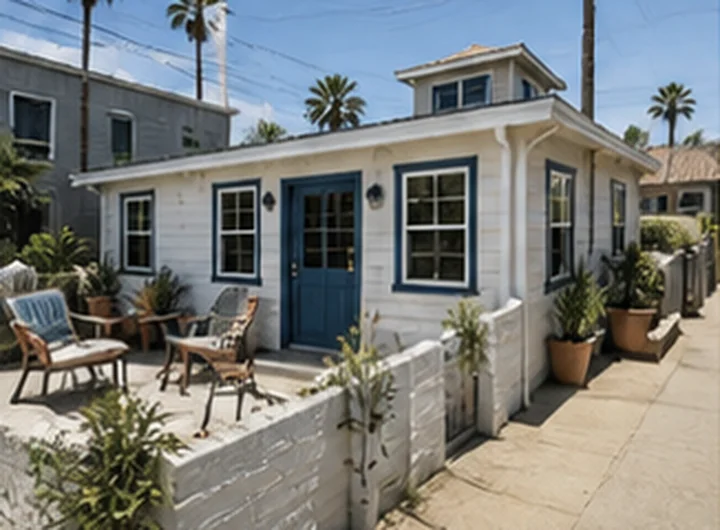
Value
$1.25M
Est. savings
$131K
2BR · STR · 2yr owned
Most San Diego short-term rental owners can reduce taxable income by 20–35% using cost segregation and the STR tax loophole. Find out in 30 seconds.
Cost seg pays on your San Diego STR when three conditions hold. You run it as a short-term rental. You materially participate, 100+ hours per year, more than anyone else involved. And you have W-2 or business income to absorb the deductions. Year-one federal tax savings on qualified San Diego STRs typically land in the $40K–$300K range. California STR owners get an additional ~6–13% in state tax savings on top of federal, making the total effective benefit 30–40% higher than the calculator's federal-only figure shows. The 5-question calculator below tells you what your specific number looks like.
Adjust the inputs, then click See my verdict.
Modeled from Cost Seg Smart's recent San Diego-area engagements (San Diego County), aligned to the 2026 Cost Seg Smart benchmarks dataset (n=260 studies across 13 property types).
We'd rather lose your business than sell you a study you don't need. If any of these match you, reconsider.
Modeled scenarios across San Diego submarkets, not specific customers. Actual studies will vary by finish, age, and owner participation.

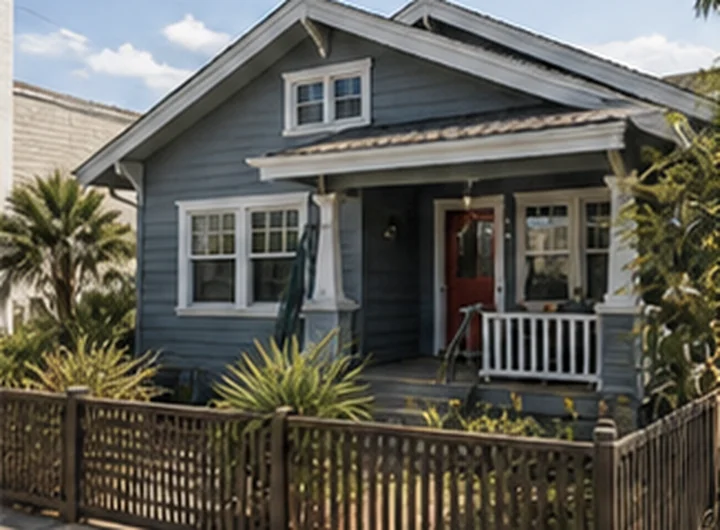
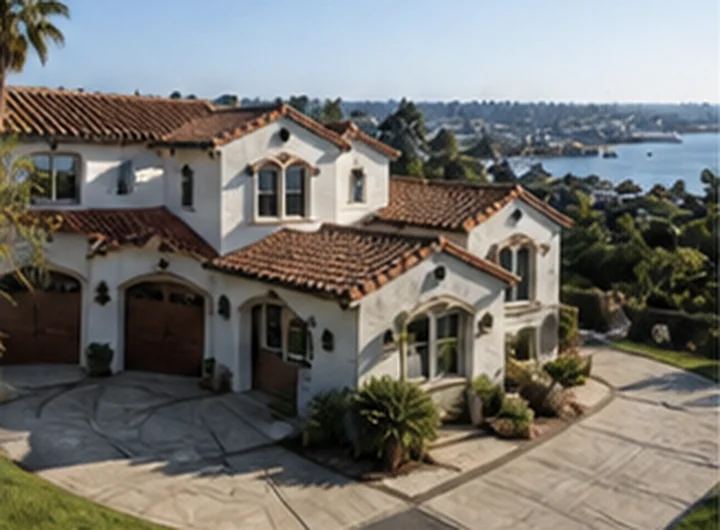

It usually is, when the property runs as an STR, you materially participate, and you have W-2 or business income to absorb the deductions. Year-one federal tax savings on qualified San Diego STRs typically land in the $40K–$300K range. The calculator above gives you the exact number for your specific inputs.
Properties with average guest stays under 7 days are not treated as rental real estate under Treas. Reg. §1.469-1T(e)(3)(ii). With material participation (IRC §469(h), 100+ hours/year, more than anyone else), the resulting losses are non-passive and can offset W-2 or business income. This is what makes cost segregation powerful for San Diego Airbnb owners.
Three things: (1) the most restrictive STR ordinance in California, San Diego's STRO (Short-Term Residential Occupancy) ordinance requires a 4-tier license, with whole-home rentals capped at 1% of housing stock outside Mission Beach; (2) the highest state income tax bracket in the US (13.3% top) stacks with federal, so cost-seg deductions deliver ~30–40% more total benefit per dollar than in no-tax states; (3) coastal property values run 2–3× the national STR median, with FF&E-heavy beach and resort use cases that frequently hit 30%+ reclassification ratios.
For San Diego STRs at Cost Seg Smart, automated engineered studies start at $495 for properties under $300K, scaling with basis: $895 ($300K–$700K), $995 ($700K–$1M), $1,295–$1,595 ($1M–$2M), $1,995 ($2M–$3M), $2,495 ($3M–$4M), $3,995–$7,995 ($4M–$10M), from $10,995 ($10M+). Traditional firms typically quote $3,500–$15,000 for the same property, see costsegregationpricing.com for the full 2026 market survey.
Yes. The One Big Beautiful Bill Act (signed July 2025) permanently restored 100% bonus depreciation for qualifying property placed in service after January 19, 2025. All 5-, 7-, and 15-year components reclassified by a cost segregation study can be fully expensed in year one.
You can still do a lookback study. IRS Form 3115 (change in accounting method) lets you claim catch-up depreciation as a Section 481(a) adjustment in the current tax year, no amended returns required. The study has less to find on properties owned 10+ years (most of the accelerated benefit is already claimed via straight-line), but it's still often worthwhile in the 2–7 year window.
CPA-ready PDF. Your CPA files it. Audit support included if the IRS ever asks.